Dramalj’s Ice Age secret — Vrtare male Cave and Crikvenica Town Museum
Archive article. Event dates, opening hours and travel information may refer to the original publication. Check current details before travelling.
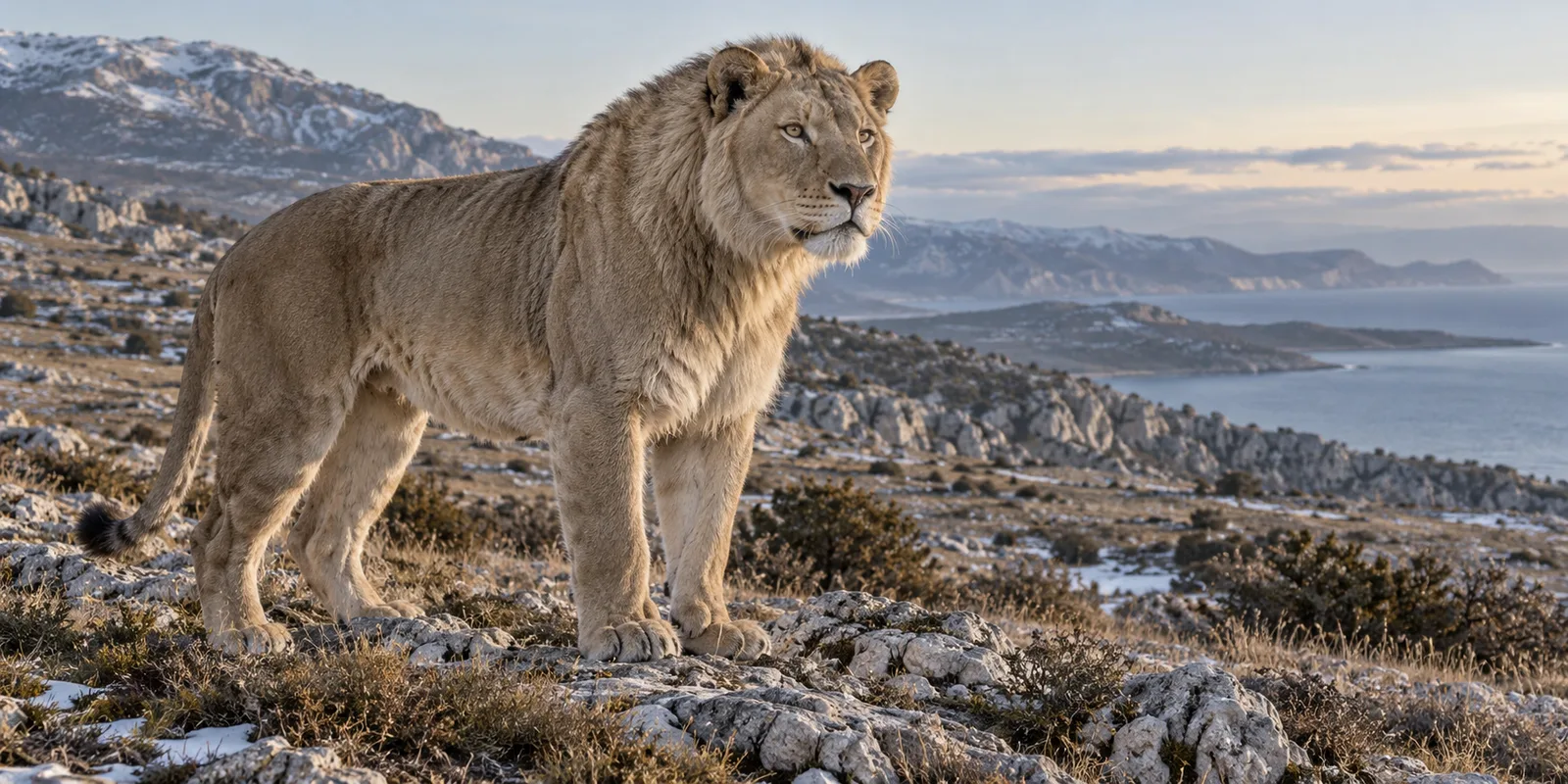
A short drive from Vila Antonia, beneath the quiet landscape of Dramalj, lies a remarkable Croatian palaeontological site. Vrtare male preserves evidence of a world inhabited by cave lions, elephants, rhinoceroses, bison and cave bears tens of thousands of years ago.
It is difficult to imagine these animals on today’s sunny Riviera. Yet the fossils found underground reveal how different this region looked towards the end of the Ice Age.
A natural trap
Vrtare male is a karst pit approximately 30–40 metres deep. Its narrow opening and almost vertical walls acted as a natural trap: animals that fell inside could not escape. Their bones and teeth survived in the sediments below, allowing researchers to reconstruct life during the Upper Pleistocene.
Local people knew the pit long before scientific investigations began. A Dramalj legend even associates the surrounding area with fairies.
Discovering an underground world
An important investigation began in 1996, when local caver and photographer Dragan Pelić descended into the pit and noticed a completely white, eyeless crustacean in the water below.
Further work revealed both rare underground wildlife and rich Ice Age fossil deposits. Systematic palaeontological, speleological and biospeleological research has taken place since 2005 with specialists, scientific institutions and Crikvenica Town Museum. The site is protected as a geological and palaeontological natural monument.
Animals found in the pit
Researchers have identified bones and teeth from cave lions, cave bears, elephants, woodland rhinoceroses, aurochs, steppe bison, horses, deer, wolves, hyenas, chamois, wild boar, hares, birds and smaller animals.
The cave lion finds are particularly significant. These powerful Ice Age predators were larger than most lions living today. The collection makes Vrtare male an important Croatian palaeontological site.
Can visitors enter the cave?
Vrtare male is not a developed tourist cave. The entrance is narrow and the descent nearly vertical, requiring specialist equipment, experience and official permission. Independent entry is not permitted, both for safety and to protect the site and its rare organisms.
Treat it as a protected research site. You can still enjoy Dramalj’s coast, Kačjak peninsula, St Helen’s Church and the nearby beaches.
Where are the fossils now?
The finds are held in the palaeontological collection of Crikvenica Town Museum. They have appeared in temporary exhibitions, including “The Lion’s Pit” and “Revealed Worlds”. This does not mean the complete collection is on permanent display.
The museum programme recorded in September 2026 featured an exhibition about photographer Hinko Krapek and the oldest surviving photograph of Crikvenica. Contact the museum before travelling to ask whether any Vrtare male fossils are currently exhibited.
Visiting Crikvenica Town Museum
Address: Petra Preradovića 1, in the town centre. Founded in 2008, the museum collects and presents the heritage of Crikvenica, Dramalj, Jadranovo and Selce, including archaeology, photographs, postcards, documents and objects from everyday life.
The archived off-season timetable, from 2 September to 30 June, listed Monday–Saturday, 10:00–14:00. Exhibitions and hours can change; check with the museum before visiting. Telephone: +385 51 781 000.
A day out from Vila Antonia
Dramalj is only a short drive from Jadranovo; central Crikvenica is usually around 10–15 minutes away, depending on traffic. Begin with a coastal walk in Dramalj and the story of Vrtare male, then continue to the museum to explore the Riviera’s history. Finish with a waterfront coffee, a walk or a swim.
Below a familiar Mediterranean landscape lies a much older story. Discovering that connection between sea, karst and the Ice Age makes this an unusual local outing from Vila Antonia.